Escondido Epoxy Flooring Experts
Professional epoxy flooring in Escondido, CA can turn ordinary concrete into a finished surface that looks cleaner, functions better, and is designed around the demands of the space. From residential garages and home workshops to commercial properties, industrial facilities, and outdoor concrete areas, the right flooring system can provide both practical protection and a finished appearance.
At Epoxy Flooring Escondido, CA, we provide flooring solutions for different property types and applications. Every project starts with understanding the existing concrete, how the area will be used, and what type of finish and performance the property owner wants to achieve.
Whether you are updating an aging garage floor, improving a busy commercial space, or giving an outdoor concrete area a more finished appearance, choosing the appropriate coating system and preparing the concrete correctly are important parts of the process.
Tell Us About Your Project
Complete the form below to get started on your project.
Professional Epoxy Flooring Services in Escondido, CA
Epoxy flooring can be used for many residential, commercial, and industrial applications. The right coating system depends on the condition of the existing concrete, the amount of traffic the floor receives, the desired appearance, and how the space will be used.
Residential Epoxy Flooring
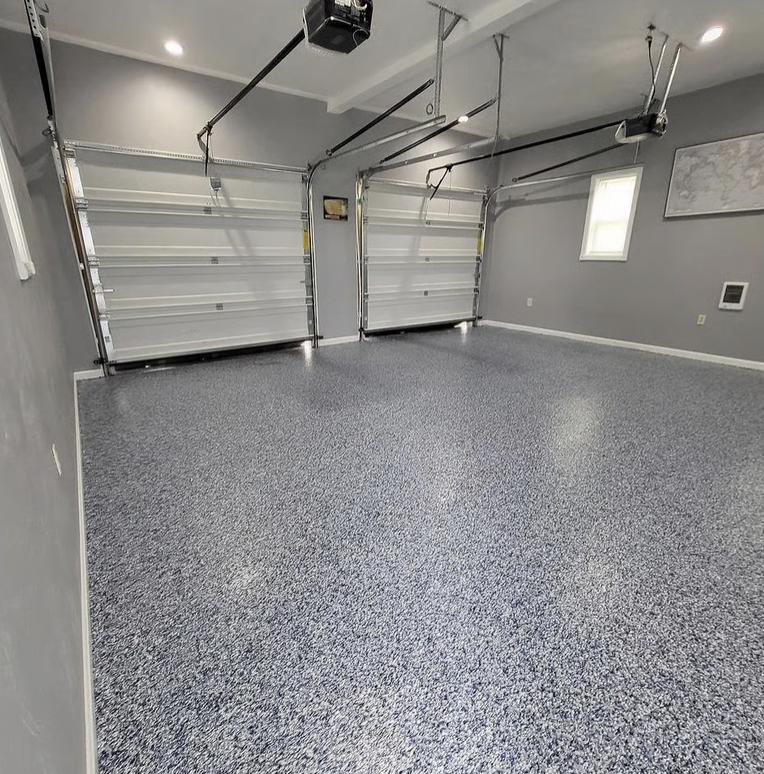
Residential epoxy flooring in Escondido, CA can give garages, workshops, utility areas, and other concrete surfaces a cleaner and more finished appearance.
Garage floors often experience vehicle traffic, tire marks, dirt, moisture, household storage, tools, and occasional spills. A suitable coating system can help create a more organized-looking surface while making routine cleaning easier.
Residential flooring is not limited to garages. Depending on the existing concrete and application, coatings can also be considered for other areas of a home where a durable finished concrete surface is desired.
Commercial Epoxy Flooring
Commercial floors have to work around the daily activity of the business.
Retail stores, offices, showrooms, service facilities, warehouses, and other commercial environments may experience frequent foot traffic, carts, equipment, deliveries, and regular cleaning.
Commercial epoxy flooring can provide a finished surface designed for these working environments while also contributing to a cleaner and more professional appearance.
The appropriate system depends on factors such as traffic levels, the type of activity taking place in the space, cleaning requirements, and the condition of the existing concrete.
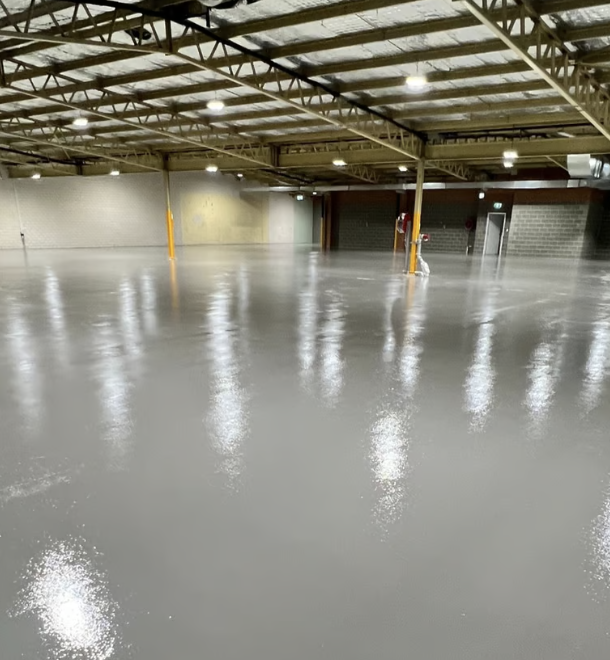
Industrial Epoxy Flooring
Industrial flooring can face more demanding conditions than a typical residential floor. Equipment movement, repeated traffic, tools, materials, spills, and intensive cleaning can all contribute to concrete deterioration.
Industrial epoxy flooring is designed around applications where the floor needs a coating system suited to a demanding work environment.
Before installation, the concrete should be properly evaluated and prepared. The selected system should also reflect how the facility operates and what type of surface performance is required.
Outdoor Concrete Coatings
Exterior concrete is exposed to conditions that interior flooring does not experience. Sunlight, moisture, temperature changes, dirt, and weather can all affect an outdoor surface.
Our outdoor concrete coatings in Escondido, CA can be considered for patios, pool decks, driveways, walkways, and other suitable exterior concrete areas.
Because outdoor applications have different performance requirements, the existing concrete and surrounding conditions should be evaluated before selecting the appropriate coating system.
Metallic Epoxy Flooring
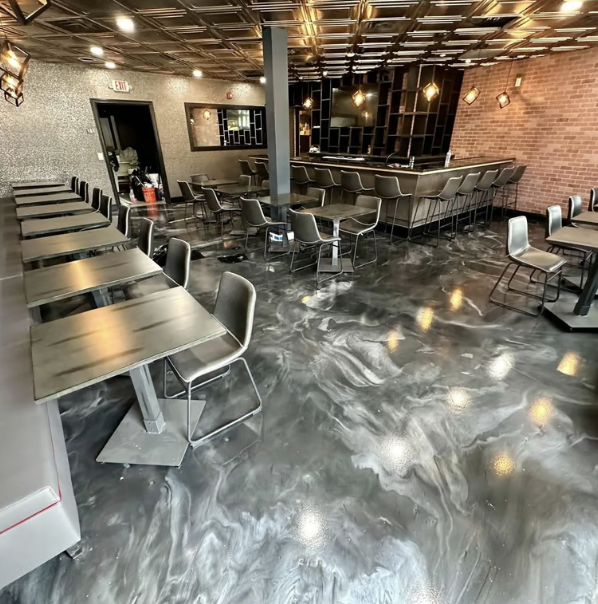
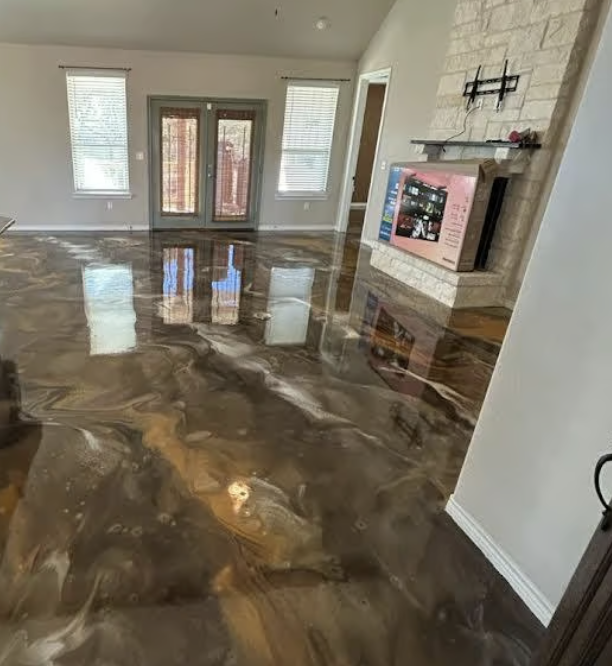
Metallic epoxy flooring creates a decorative finish with movement, depth, and a distinctive appearance. It can be considered for spaces where the property owner wants a more decorative alternative to a standard floor coating.
Flake Epoxy Flooring
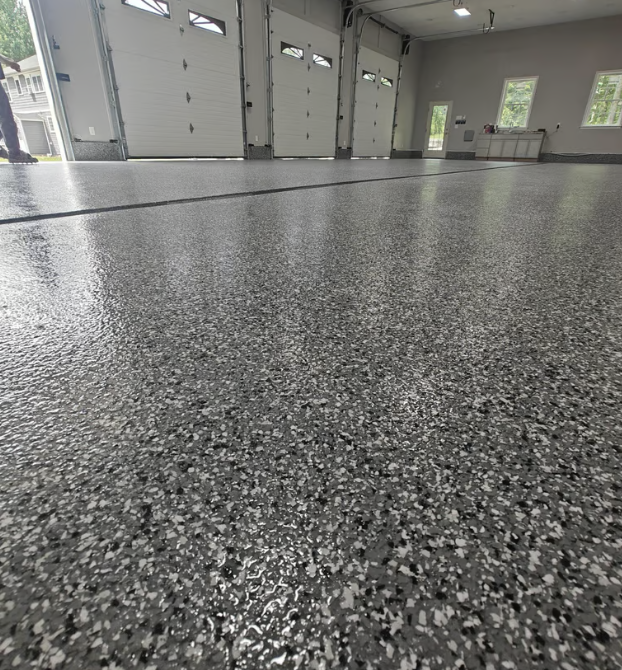
Flake epoxy flooring combines a base coating with decorative flakes to create a finished surface with added visual texture. It can be used in garages, workshops, commercial spaces, and other suitable concrete areas.
Concrete Floor Coatings
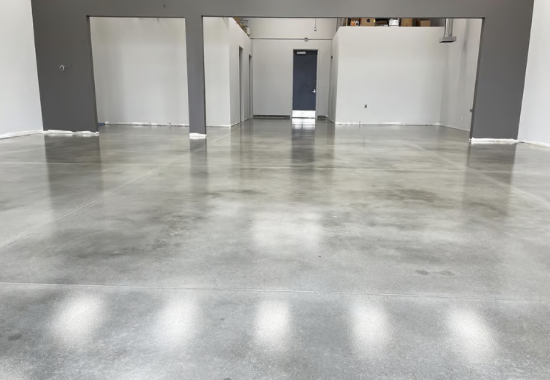
Concrete floor coatings add a protective coating over properly prepared concrete. The appropriate coating depends on the existing surface, how the floor will be used, and the finish the property owner wants.
Epoxy Flooring Designed for Escondido Properties
Concrete is durable, but it can still develop stains, surface wear, cracks, discoloration, and other signs of everyday use. In garages, workshops, businesses, and industrial spaces, repeated traffic and activity can make an unfinished slab look worn long before the space itself needs an upgrade.
A professional concrete coating can create a more consistent finished surface while helping the underlying concrete handle normal use.
The best flooring solution depends on the property. A residential garage may have different requirements from a retail space, warehouse, workshop, or industrial facility. Outdoor concrete also needs to be considered differently because it is exposed to sunlight, moisture, temperature changes, and weather.
Our flooring options are organized around these different applications so property owners can choose a system that fits the space rather than relying on a one-size-fits-all approach.
Why Choose Epoxy Flooring for Your Escondido Property?
A More Finished Concrete Surface
Unfinished concrete can look plain, inconsistent, or worn over time. Epoxy and other concrete coating systems can create a more uniform finished surface that complements the surrounding property.
For garages, workshops, commercial spaces, and other visible areas, the floor can become part of the overall appearance instead of simply being a basic concrete slab.
Protection for Everyday Wear
Floors experience different forms of wear depending on their surroundings. Vehicle traffic, foot traffic, equipment, tools, dirt, spills, and routine activity can all affect concrete.
The appropriate coating system can add a protective surface designed around the expected use of the floor.
Easier Routine Maintenance
A properly finished coating can make everyday cleaning more manageable. Dust, dirt, and many common spills can be easier to remove from a smooth, finished surface than from rough or heavily deteriorated concrete.
Routine maintenance will still depend on the property and the flooring system selected.
Multiple Design Options
Epoxy flooring does not have to look the same in every property. Different colors and decorative finishes allow homeowners and businesses to choose an appearance that fits the surrounding space.
Options include flake finishes, metallic effects, and solid colors.
Flooring for Different Applications
A flooring system should reflect how the space will actually be used.
We provide options for:
Residential properties
Commercial properties
Industrial environments
Garages and workshops
Outdoor concrete areas
This application-focused approach helps ensure that the selected flooring system is appropriate for the environment.
What Affects the Cost of Epoxy Flooring in Escondido, CA?
Every epoxy flooring project has its own pricing considerations.
There is no universal price that accurately represents every flooring project because the existing concrete and project requirements can vary considerably.
Several factors can influence the overall cost.
Floor Size
The total square footage affects the amount of coating material, preparation, and labor required for the project.
Concrete Condition
Existing concrete may contain cracks, stains, surface deterioration, previous coatings, or other conditions that need to be addressed before the new flooring system is installed.
Surface Preparation
Preparation can include cleaning, mechanical grinding, profiling, removal of existing coatings, and other work necessary to create an appropriate surface for the coating.
Selected Coating System
Different applications may require different coating systems. A residential garage does not necessarily have the same requirements as a commercial or industrial environment.
Decorative Finish
Flake, metallic, and solid color finishes have different visual characteristics and application requirements.
Number of Coating Layers
The selected system may include multiple layers, such as primers, base coats, decorative components, and protective topcoats.
Concrete Repairs
Cracks, damaged areas, or other concrete imperfections may require additional preparation or repair before coating.
Accessibility
The layout and accessibility of the work area can affect how efficiently materials, equipment, and labor can be brought into the space.
Why a Personalized Estimate Is Better Than a Standard Price
A personalized estimate takes the actual project into consideration instead of relying only on square footage.
Evaluating the concrete, intended application, preparation requirements, selected finish, and coating system provides a more useful basis for determining project costs.
Our Epoxy Flooring Process
A quality flooring installation involves much more than applying coating to concrete. Proper evaluation and preparation are important steps in creating a finished surface that performs as intended.
-
Evaluate the Existing Concrete
The project begins with an assessment of the existing surface. The concrete is considered for cracks, stains, deterioration, previous coatings, surface irregularities, and other conditions that may affect installation.
-
Understand the Application
The flooring system needs to match the space. We consider whether the floor is being used for residential, commercial, industrial, or outdoor purposes and what types of traffic and activity it will experience.
-
Prepare the Surface
The concrete is cleaned and mechanically prepared as required. Proper surface preparation helps remove contaminants and creates a suitable profile for coating adhesion.
-
Address Concrete Repairs
If the existing surface has cracks, damaged areas, or other imperfections that require attention, these issues should be addressed as part of the preparation process.
-
Select the Flooring System
The coating system and finish are selected based on the application's requirements and the appearance the property owner wants to achieve.
-
Apply the Coating System
The selected materials are applied according to the requirements of the flooring system. Multiple stages may be involved depending on the system being installed.
-
Apply the Selected Finish
Decorative flakes, metallic pigments, or solid color materials are incorporated according to the chosen finish.
-
Apply the Protective Layer
A protective topcoat may be included as part of the system to provide the desired surface characteristics and finished appearance.
-
Allow Proper Curing
The newly installed floor needs adequate time to cure before normal use. Following the recommended curing period helps protect the finished surface.
Why Choose Epoxy Flooring for Your Escondido Property?
A More Finished Concrete Surface
Unfinished concrete can look plain, inconsistent, or worn over time. Epoxy and other concrete coating systems can create a more uniform finished surface that complements the surrounding property.
For garages, workshops, commercial spaces, and other visible areas, the floor can become part of the overall appearance instead of simply being a basic concrete slab.
Protection for Everyday Wear
Floors experience different forms of wear depending on their surroundings. Vehicle traffic, foot traffic, equipment, tools, dirt, spills, and routine activity can all affect concrete.
The appropriate coating system can add a protective surface designed around the expected use of the floor.
Easier Routine Maintenance
A properly finished coating can make everyday cleaning more manageable. Dust, dirt, and many common spills can be easier to remove from a smooth, finished surface than from rough or heavily deteriorated concrete.
Routine maintenance will still depend on the property and the flooring system selected.
Multiple Design Options
Epoxy flooring does not have to look the same in every property. Different colors and decorative finishes allow homeowners and businesses to choose an appearance that fits the surrounding space.
Options include flake finishes, metallic effects, and solid colors.
Flooring for Different Applications
A flooring system should reflect how the space will actually be used.
We provide options for:
Residential properties
Commercial properties
Industrial environments
Garages and workshops
Outdoor concrete areas
This application focused approach helps ensure that the selected flooring system is appropriate for the environment.
Frequently Asked Questions About Epoxy Flooring in Escondido
How long does epoxy flooring last?
A properly installed epoxy flooring system can provide many years of service. Actual longevity depends on the selected system, concrete preparation, traffic, environmental conditions, maintenance, and how heavily the floor is used.
Can epoxy flooring be installed over existing concrete?
Yes. Epoxy flooring is commonly installed over existing concrete, provided the surface is suitable for coating. Existing coatings, contamination, cracks, moisture, deterioration, and other conditions may require additional preparation.
How long does epoxy flooring installation take?
Installation time varies from project to project. Floor size, concrete condition, preparation requirements, number of coating layers, selected finish, and curing requirements can all affect the timeline.
Is epoxy flooring slippery?
A coating's slip resistance depends on the specific flooring system and surface finish. Additional texture or aggregate can be incorporated into certain systems when increased traction is needed.
Is epoxy flooring suitable for garages?
Yes. Garage floors are a common application for epoxy and other concrete coating systems. The coating can create a finished surface that is easier to clean and designed to handle typical garage activity.
Can epoxy flooring be used in commercial buildings?
Yes. Commercial coating systems can be used in suitable areas such as retail spaces, offices, showrooms, warehouses, and service facilities. The selected system should reflect the property's traffic and operating conditions.
Can epoxy flooring be used outdoors?
Outdoor concrete requires a coating system appropriate for exterior conditions. Patios, pool decks, driveways, and walkways may be suitable for outdoor concrete coating systems depending on the existing surface and site conditions.
What colors are available for epoxy flooring?
Color options depend on the selected flooring system. Solid colors, decorative flake combinations, and metallic effects can provide different visual styles for residential and commercial properties.
Can damaged concrete be repaired before coating?
In many cases, concrete cracks and surface imperfections can be addressed during preparation. The appropriate repair approach depends on the type, location, and severity of the damage.
How do I maintain an epoxy floor?
Routine maintenance generally includes removing dirt and debris and cleaning spills as needed. The appropriate cleaning method can vary depending on the coating system and the environment in which the floor is installed.
Ready to get started?
Professional Epoxy Flooring in Escondido, CA
Explore epoxy flooring and concrete coating options for your garage, business, or industrial space.
Get Started Today